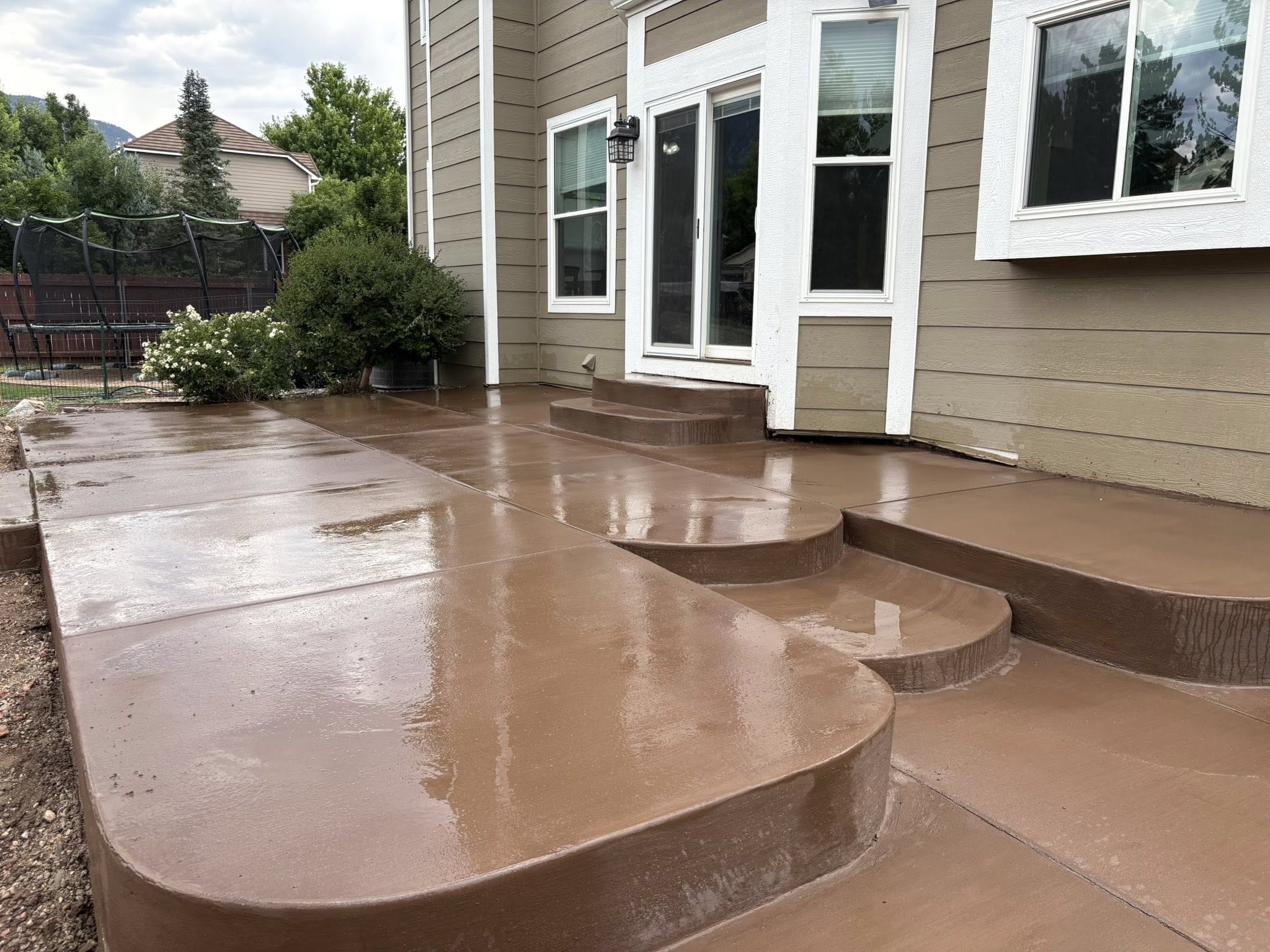
Understanding the Importance of Concrete in Sustainable Construction May 11, 2026
Sustainable construction is all about using resources efficiently and minimizing waste, promoting health and safety, and reducing the carbon footprint of buildings. Concrete, when used smartly, contributes to these goals by providing longevity, energy efficiency, and the ability to incorporate recycled materials.
One of the most significant advantages of using concrete in sustainable construction is its durability. Concrete structures can withstand extreme weather conditions and have a long service life, often exceeding decades without significant degradation. This longevity means fewer resources are needed for repairs and replacements, which reduces material waste and the need for new construction, making concrete an eco-friendly option over time.
Moreover, concrete is highly energy-efficient due to its thermal mass capability. Buildings constructed with concrete can maintain more consistent indoor temperatures. This means less energy is required for heating and cooling, which directly translates into lower energy use and an overall reduction in the building's carbon footprint. For businesses and homeowners looking to cut operational costs and contribute to sustainability, this is a substantial benefit.
Another essential aspect of integrating concrete into sustainable construction involves using supplementary cementitious materials (SCMs) like fly ash, slag, and silica fume. These materials are often by-products of other industrial processes and can replace a portion of the Portland cement in concrete. This not only reduces the environmental impact associated with cement production, which is a significant source of CO2 emissions but also diverts waste from landfills. By choosing concrete mixes that utilize SCMs, the environmental footprint of the construction project can be significantly minimized.
At Acorn Construction & Contracting, we advocate for the use of pervious concrete, particularly in urban settings. Pervious concrete allows water to pass through, reducing runoff and promoting natural water filtration systems in built environments. This technology helps manage stormwater, recharges groundwater levels, and reduces the risk of flash flooding, all while maintaining durable and strong construction quality.
Furthermore, recycling plays a crucial role in sustainable concrete construction. Crushed concrete from demolished buildings can be reused in new construction projects. This practice reduces the demand for virgin materials and minimizes the waste that ends up in landfills. Incorporating recycled aggregates is yet another step towards achieving sustainable construction goals.
In conclusion, concrete has proven to be a versatile and sustainable choice for modern construction projects. Its durability, energy efficiency, ability to incorporate recycled materials, and role in water management highlight its importance in sustainable building practices. For clients seeking to embark on construction projects with a lower environmental impact, working with experts like Acorn Construction & Contracting can ensure the strategic use of concrete in building sustainable infrastructures that stand the test of time.
By understanding and choosing the right kind of concrete solutions, companies and homeowners can play a significant role in fostering a more sustainable future. Acorn Construction & Contracting stands ready to guide you through every step of the process, ensuring that your projects meet sustainability standards while delivering superior performance.
/filters:no_upscale()/filters:format(webp)/media/ab173ce5-48ae-45e8-a908-4d7fc3dc36a9.jpeg)